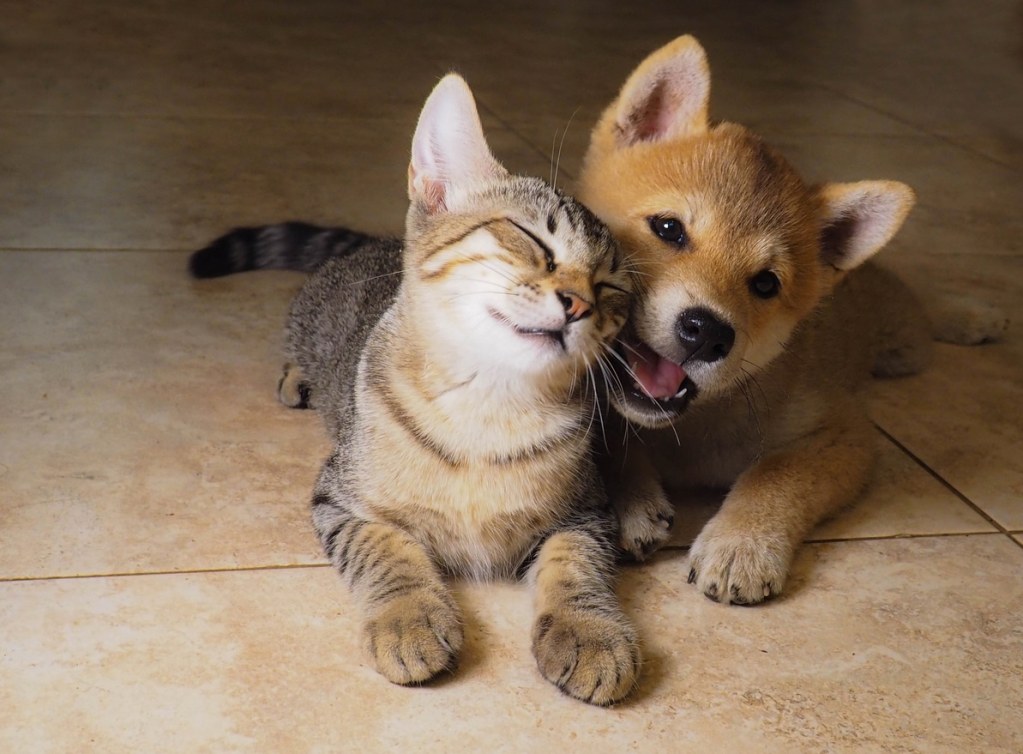
I recently had a customer ask us if our scents are pet friendly, it’s not the first time I’ve had this question, and being a pet owner myself, it’s something I am very keen to help people understand what is safe and what isn’t for your beloved pet. In this article I will provide some guidance on what is safe, what isn’t safe and offer some tips for you to better enjoy our scents so you can have some peace of mind.

While sharing this transparent information might impact the sales of our scents, the health and well-being of your pets matter far more to me than profits. To help you make informed choices, I’ve provided a table below summarizing which oils are safe and which should be avoided.
So please, while looking for scents, don’t immediately believe the “pet safe” labels as there are only a small fraction of popular essential oils that are considered pet friendly. We will also be embarking on updating our own product information to make it easier for you to select products that are considered generally safe for use in pet loving households.
Essential oils are widely loved for their therapeutic properties and aromatic benefits. From relaxation to repelling insects, these oils are a staple in many households. However, while they are generally safe for humans, they can pose serious risks to pets. Understanding why plants produce volatile compounds and how they affect different species can help pet owners make informed choices about essential oil usage.

The Role of Volatile Compounds in Plants
Volatile organic compounds (VOCs) in plants serve as a natural defense mechanism. Some compounds attract pollinators like bees and butterflies, while others repel herbivores or harmful insects. These properties are also what make essential oils effective for humans, to soothe, heal, or repel pests. However, not all species process these compounds the same way, which can lead to unintended harm.

How Essential Oils Affect Pets
Pets metabolize essential oils differently from humans. For example:
- Cats: Cats lack certain liver enzymes, making them unable to process compounds like phenols and terpenes found in many essential oils. Exposure can lead to poisoning, manifesting as drooling, vomiting, respiratory distress, or worse.
- Dogs: While more tolerant than cats, dogs are still sensitive to high concentrations of essential oils. Oils like tea tree or cinnamon can cause skin irritation, gastrointestinal upset, or central nervous system issues if ingested or absorbed through the skin.
- Birds: Avian species are highly sensitive to airborne toxins due to their unique respiratory systems. Even a small amount of essential oil vapor can be toxic, leading to respiratory failure or death.
- Insects: Essential oils like citronella, tea tree, and peppermint are effective insect repellents. However, in excessive concentrations, these oils can harm beneficial pollinators like bees.

Common Essential Oils to Avoid Around Pets
Here are some essential oils that are widely considered unsafe for pets:
- Cats: Tea tree, citrus oils (lemon, orange), cinnamon, peppermint, and ylang ylang.
- Dogs: Tea tree, cinnamon, ylang ylang, and high concentrations of citrus oils.
- Birds: Avoid all oils in diffusers around birds, as even safe-for-humans oils can be harmful.
Refer to the table below for a detailed breakdown of specific oils and their safety profiles for different pets.

Using Essential Oils Safely Around Pets
If you use essential oils and have pets, follow these tips to ensure their safety:
- Avoid Diffusers in Enclosed Spaces: Diffusers can saturate the air with essential oil particles, which pets may inhale or absorb.
- Dilution is Key: If you’re applying oils topically (on yourself or your pet), ensure they’re properly diluted.
- Provide an Escape Route: Allow your pet to leave the room where oils are being used, so they are not forced to remain in a potentially harmful environment.
- Store Oils Securely: Keep all essential oils out of your pet’s reach to prevent accidental ingestion.
- Consult a Veterinarian: Before introducing any essential oils into your home, ask your vet about potential risks and safer alternatives.
Understanding Species-Specific Sensitivities
The difference in how species metabolize volatile compounds underscores the importance of being mindful of their use. For example, compounds like linalool, found in lavender and citrus oils, are soothing to humans but toxic to cats. Similarly, the menthol in peppermint oil can irritate a dog’s respiratory system but effectively repels insects.
| Oil | Cat | Dog | Avian | Insect |
|---|---|---|---|---|
| Blue Cypress | Safe1 | Safe2 | Not enough data – Avoid | Repels mosquitos and other pests |
| Blue Lotus | Caution3 | Caution3 | Not enough data – Avoid | |
| Cedarwood | Safe5 | Safe | Not enough data – Avoid | Repels fleas, ticks and mosquitos |
| Chamomile | Not Safe | Safe | ||
| Cinnamon | Not Safe (Warning)6 | Not Safe | Not Safe | Repels mosquitos and ants |
| Citronella | Not Safe | Caution7 | Not Safe | Repels mosquitos and flies |
| Roasted Coffee | Safe | Safe | Not enough data – Avoid | |
| Geranium | Not Safe8 | Safe | Not Safe | Repels mosquitos and ticks |
| Ginger | Safe (caution)9 | Safe | Not enough data – Avoid | |
| Helichrysum (immortelle) | Safe – use with caution | Safe | Not enough data – Avoid | |
| Ho Wood | Safe – use with caution | Safe | Not enough data – Avoid | |
| Jasmine | Safe | Safe | Not enough data – Avoid | |
| Juniper | Not Safe10 | Safe | Not enough data – Avoid | |
| Lavender | Caution11 | Safe (caution)12 | Not enough data – Avoid | Repels mosquitoes and moths |
| Lemon | Not Safe | Safe | Not Safe | Repels most airborne insects |
| Lily | Not Safe (Warning)13 | Not Safe | Not enough data – Avoid | |
| Neroli | Safe | Safe | Not enough data – Avoid | |
| Patchouli | Safe | Safe | Caution | Repels mosquitos and other pests |
| Peppermint | Not Safe | Not Safe | Not Safe (Warning)14 | Repels mosquitoes, ants, fleas |
| Rose | Safe | Safe | Avoid | |
| Rosemary | Safe (Caution)15 | Safe | Not enough data – Avoid | Repels fleas, mosquitos and ticks |
| Sandalwood | Safe | Safe | Not enough data – Avoid | |
| Spikenard | Safe | Safe | Not enough data – Avoid | |
| Sweet Orange | Not Safe16 | Safe | Not enough data – Avoid | Repels mosquitos and some flies |
| Tea Tree17 | Not Safe | Not Safe | Not Safe | Repels most insects |
| Vanilla | Safe | Safe | Caution | |
| Ylang Ylang | Not Safe | Not Safe | Not Safe (Warning)18 | Repels |
Where to from here
Essential oils are powerful natural products that, when used correctly, can enhance well-being and provide numerous benefits. However, when pets are part of your household, it’s crucial to do your research. Use the safety matrix provided as a guide and always consult a professional when in doubt. By taking these precautions, you can ensure a harmonious and safe environment for everyone in your home, two-legged and four-legged alike.
Foot Notes: Why I’ve said these are not safe.
- Generally considered safe when highly diluted, but caution is advised. Cats lack the enzymes needed to metabolize certain compounds in essential oils, so it’s better to consult with a veterinarian before use ↩︎
- Generally considered safe for dogs when diluted properly. It is often used in blends for calming or skin issues in dogs. ↩︎
- There is limited data on Blue Lotus Oil specifically for cats and dogs, but due to its concentrated nature, it’s safer to avoid using it around cats or consult a veterinarian for advice ↩︎
- There is limited data on Blue Lotus Oil specifically for cats and dogs, but due to its concentrated nature, it’s safer to avoid using it around cats or consult a veterinarian for advice ↩︎
- Generally considered safe for cats when properly diluted. However, due to cats’ sensitivity to essential oils, it’s best to consult a veterinarian before use and avoid direct application or prolonged exposure. ↩︎
- Cinnamon Oil contains phenols, which cats cannot metabolize due to a lack of specific liver enzymes. Exposure can lead to poisoning, manifesting as vomiting, diarrhea, respiratory distress, or even liver failure. Avoid using around cats entirely. ↩︎
- Caution advised. While not as toxic to dogs as to cats, Citronella Oil can cause skin irritation, drooling, or gastrointestinal upset if ingested or applied improperly. Use only in highly diluted forms and consult with a veterinarian before use. ↩︎
- Geranium Oil contains compounds like geraniol and linalool, which can be toxic to cats. Exposure may lead to symptoms such as vomiting, skin irritation, or lethargy. Avoid using this oil around cats. ↩︎
- While not overtly toxic, Ginger Oil can cause mild irritation or sensitivity in cats due to their inability to metabolize certain compounds. It’s best to avoid using it directly on or around cats without veterinary guidance. ↩︎
- Juniper Oil contains compounds that can be toxic to cats, including terpenes, which their livers cannot effectively metabolize. Exposure may lead to vomiting, lethargy, or other symptoms. Avoid use around cats. ↩︎
- While Lavender Oil is sometimes considered less toxic to cats than other essential oils, it can still cause harm in concentrated forms due to compounds like linalool. Symptoms of toxicity include nausea, vomiting, and lethargy. Always avoid direct application and consult a veterinarian before use. ↩︎
- Lavender Oil is generally considered safe for dogs when properly diluted and is commonly used for calming and soothing purposes. Avoid contact with the nose, eyes, or mouth, and consult a veterinarian before applying. ↩︎
- Lilies and their derivatives are highly toxic to cats, even in small amounts. Ingesting or coming into contact with lily compounds can cause severe kidney failure and other life-threatening symptoms. Avoid all use of Lily Oil or lily-derived products around cats. ↩︎
- Birds have extremely sensitive respiratory systems, and the strong, volatile compounds in Peppermint Oil can irritate or harm them. Avoid using Peppermint Oil around birds. ↩︎
- Rosemary Oil contains camphor and other compounds that can be toxic to cats if ingested or exposed to concentrated amounts. Symptoms of toxicity include drooling, vomiting, or neurological issues. Avoid use around cats unless under veterinary supervision. ↩︎
- Sweet Orange Oil contains d-limonene, which is toxic to cats. Exposure can cause symptoms such as drooling, vomiting, lethargy, or tremors. Avoid using Sweet Orange Oil around cats entirely. ↩︎
- Tea Tree Oil can be toxic to cats and dogs, especially if ingested or used in high concentrations. Symptoms of toxicity include drooling, vomiting, muscle tremors, and lethargy. While some pet products use very diluted Tea Tree Oil, it is best to avoid it unless under strict veterinary guidance. ↩︎
- Birds are extremely sensitive to the aromatic compounds in Ylang Ylang Oil. Exposure to diffused or aerosolized oil can cause respiratory distress or toxicity. Avoid entirely. ↩︎